Gym machines have a mixed reputation in coaching circles, but the programming data is clear: coaches use them. When we read what coaches assigned on QuickCoach in October 2026, five machine-based movements reached more than one client in six. One of them is the second most-programmed exercise of any kind, and every machine on the list gained clients that month.
This report ranks the machines coaches program, shows what changed from September, and gives the swap for each one when a client trains at home.
The short answer
The gym machines coaches program most are the lat pulldown (38.2% of clients in October 2026), leg extension (24.6%), leg press (20.8%), chest press (20.5%) and leg curl (19.2%), followed by hip abduction (15.3%). Machines are named on 13.9% of all assigned exercises, so they're a big part of gym clients' programs, not online coaching as a whole.
What this is, in one paragraph
Coaches type exercise names as free text. Every month we group every spelling of the same movement together and count the share of clients assigned each one, the method behind our living what coaches program page. For this report we read the movements usually done on a machine or cable stack from 232,596 verified assigned exercises in October 2026, with the September figures we published for the same movements. The full method is at the foot of the page.
What gym machines do coaches program most?
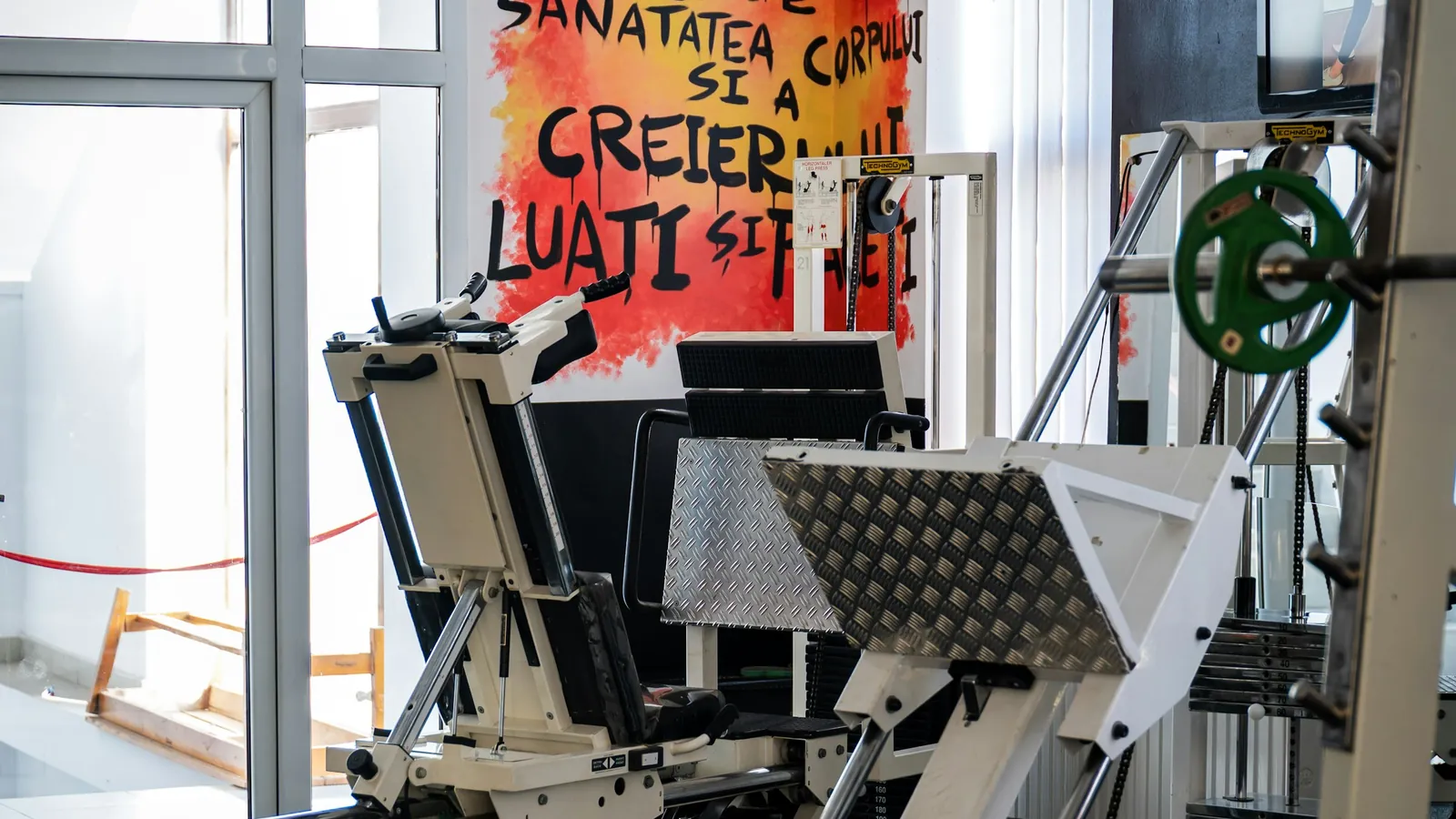
The lat pulldown leads the field and sits behind only the row across all movements, having passed the Romanian deadlift in October. Then come the leg extension, leg press, chest press and leg curl, and the hip abduction machine.
| Movement | Oct 2026 | Sep 2026 |
|---|---|---|
| Lat pulldown | 38.2% | 36.8% |
| Leg extension | 24.6% | 23.6% |
| Leg press | 20.8% | 19.5% |
| Chest press | 20.5% | 18.3% |
| Leg curl | 19.2% | 18.4% |
| Hip abduction | 15.3% | 13.1% |
| Hip adduction | 8.1% | 6.9% |
| Glute kickback | 5.4% | 5.2% |
| Hack squat | 4.9% | 4.4% |
| Seated row | 3.0% | 2.7% |
| Calf press | 2.9% | 2.8% |
| Rowing machine | 2.7% | 2.6% |
| Assisted pull-up | 1.5% | 1.3% |
| Pec deck | 1.2% | 1.3% |
Share of clients assigned the movement at least once in the month. Some of these, like the chest press, lat pulldown and hip abduction, are sometimes done with dumbbells, cables or bands, so they don't always mean a machine.
October was a machine month. Every movement in the table except the pec deck gained clients, and two of the platform's biggest climbers were machines: the chest press and hip abduction each rose 2.2 points, the leg press 1.3 and the lat pulldown 1.4. That reverses September, when the free-weight lifts gained and the machines slipped, as we covered in what changed from August to September 2026.
Why do coaches use machines?
The ones at the top of the list share a few traits. They're quick to learn, so a new client can train hard in week one. They load in small, fixed steps, so progress is easy to track. And they isolate a muscle, which is why the leg extension, leg curl and hip abduction machine sit next to the big lifts rather than replacing them.
The lat pulldown earns its place for another reason: most clients can't do many pull-ups. It's the most accessible way to train a vertical pull, and the assisted pull-up machine, at 1.5% of clients, is the bridge some coaches use on the way to the real thing.
How much of online coaching is machine work?
Less than the top of the list suggests. A machine is named on 13.9% of assigned exercises and a cable on 6.3%, both up from September (13.2% and 6.0%). Bodyweight is named more often, at 19.6%, and about 29% of exercise names don't say what equipment they use. Our equipment report goes deeper: most online programs are written to work with whatever a client has.
So machines are a big part of programs for clients who train in a commercial gym, and absent for those who don't. That's why the swap list below matters.
What can a client use instead of each machine at home?
Swap by the movement the machine trains, not by the machine.
| Machine | Home swap |
|---|---|
| Lat pulldown | Band pulldown, or a band or dumbbell row |
| Leg extension | Spanish squat with a band, or a slow split squat |
| Leg press | Goblet squat or Bulgarian split squat |
| Leg curl | Stability ball or slider hamstring curl |
| Chest press | Push-up or dumbbell floor press |
| Hip abduction | Lateral band walk or clamshell |
| Seated row | Single-arm dumbbell row |
Coaches already program most of these swaps. The floor press reached 4.4% of clients in October, the clamshell 3.2% and the Spanish squat 1.0%. The hamstring curl gap is the one to watch: the leg curl's home alternatives are rarely programmed, which we look at in whether coaches program enough hamstring work.
Why does machine naming get so messy?
Because every gym's machines are different. Coaches wrote "lat pulldown" 293 different ways in September 2026, the last month with a full spellings export, "chest press" 151 ways, "hip abduction" 137 ways and "leg press" 108 ways. Some of that is the usual mix of capitals and plurals. A lot of it is coaches writing the brand, the gym's own label or the seat setting into the name, so the client finds the right machine.
That's useful detail, and it belongs in the exercise note rather than the name. Keep one clean name per movement and put "seat height 4, the machine by the back wall" in the note. Our guide to exercise names explains why.
How should hybrid coaches handle machines?
Ask where the client trains before you write the first program. A plan that assumes a cable stack the client has never stood next to is the easiest early mistake to avoid. If you coach some clients in person and some online, our guides to the hybrid coaching model and moving from the gym floor to online coaching cover how to keep both groups on one system. Save two versions of your key templates, one gym and one home, and assign whichever fits.
Methodology and limitations
How we got these numbers
Source. October 2026 programming on QuickCoach, a platform used by more than 40,000 coaches and fitness businesses worldwide: 232,596 verified assigned exercises grouped into 4,721 canonical movements. September figures are from the September 2026 read published on what coaches program and in the September data reports. No individual coach, client or plan is identifiable in anything published here.
Definitions. A movement's figure is the share of clients assigned it at least once in the month, every spelling grouped together. "Machine" movements are our editorial grouping of exercises usually done on a machine or cable stack; some are also done with free weights or bands. Equipment shares are of classified assigned exercises on a 90th-percentile trimmed set (215,274 entries), and count an implement only when the exercise name states it. Spelling counts are distinct names for the movement in September 2026, from that month's spellings export.
Limits. Where a name doesn't state the equipment, we can't tell whether a machine was used. Brand names in exercise labels are not reported. Figures are rounded.
Frequently asked questions
What gym machines do coaches program most?
The lat pulldown, by a distance. It reached 38.2% of clients on QuickCoach in October 2026, the second most-programmed movement of any kind. The leg extension (24.6%), leg press (20.8%), chest press (20.5%) and leg curl (19.2%) follow, then hip abduction (15.3%).
What are the best gym machines for beginners?
The ones coaches already lean on: the lat pulldown, leg press, chest press, seated row, leg extension and leg curl. They're easy to learn, easy to load in small steps and safe to push close to failure. This is general coaching guidance alongside our data, not a ranking of machines.
How much of online coaching uses machines?
A minority of it. A machine is named on 13.9% of assigned exercises on QuickCoach and a cable on 6.3%, in October 2026 data. Bodyweight is named more often, at 19.6%, and about 29% of names don't say what equipment is used at all.
What can replace gym machines at home?
Swap by movement: a band pulldown or row for the lat pulldown, a goblet or split squat for the leg press, a stability ball hamstring curl for the leg curl, a push-up or floor press for the chest press, and band walks or clamshells for the hip abduction machine.
Are machines worse than free weights?
No. Machines and free weights both build strength and muscle when they're loaded hard enough. Machines suit beginners and isolation work, free weights train balance and carry over to everyday movement. Most coaches use both. This is general guidance, not a QuickCoach data figure.
Published from October 2026 programming data, updated from the September draft on the day it went live. The full monthly ranking lives on what coaches program. Questions about the data? Reach us at support@quickcoach.fit.