What is functional fitness coaching, and what does a functional coach actually do?
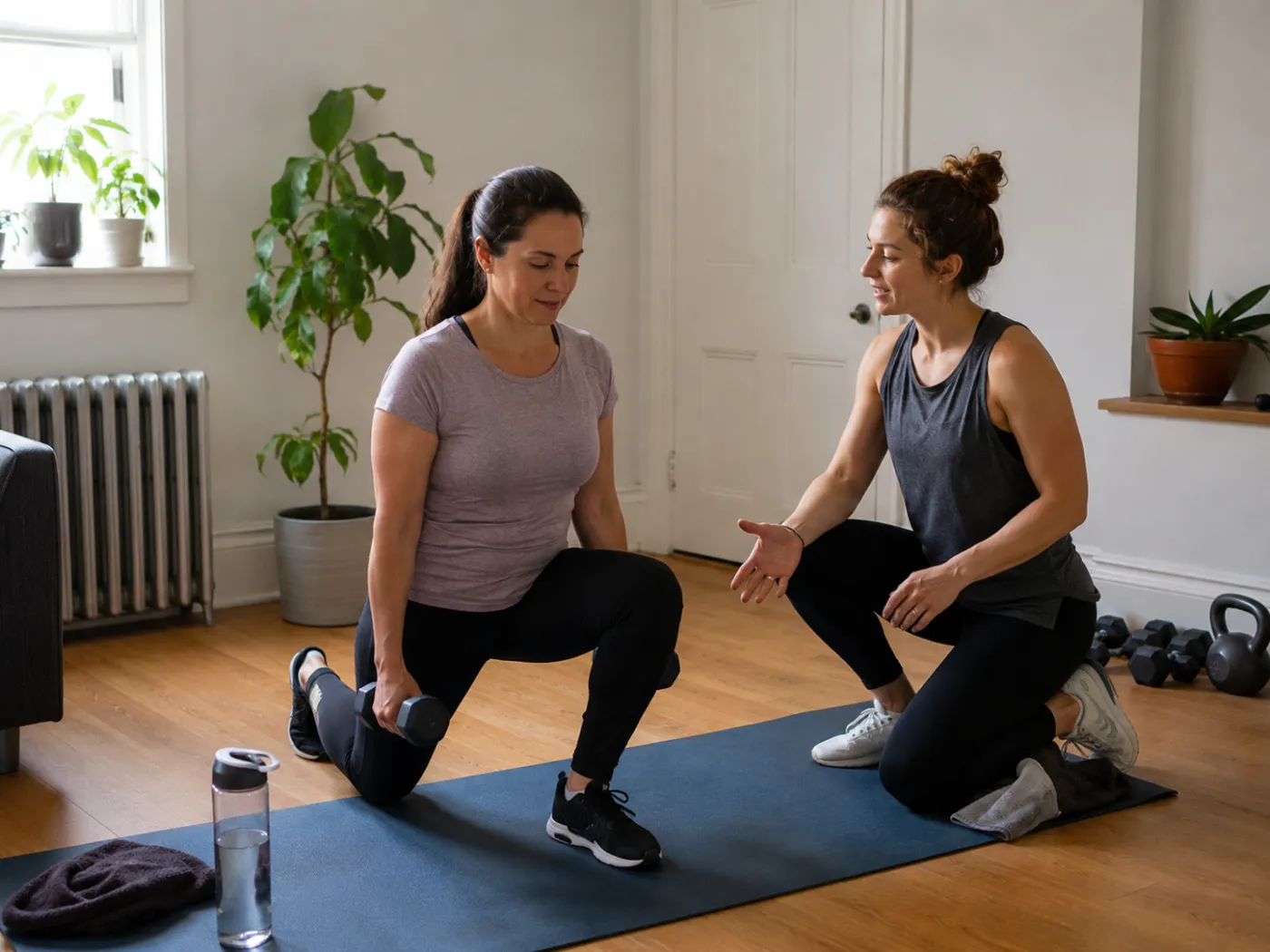
Functional fitness coaching trains general physical preparedness through constantly varied functional movements performed at mixed intensities. A functional coach programmes strength, metcons, gymnastics skill work, and mobility, then adjusts load and movement selection to the individual's capacity, goals, and recovery. The role blends programming, cueing, and progression management.
The coach is part programmer, part teacher, part progress manager. Most of the work happens between sessions: writing the next block, reviewing the last, and adjusting based on what the client logged. For the underlying method definitions, see our coaching methods reference.
How is functional fitness different from bodybuilding or powerlifting?
Bodybuilding maximises muscle size and symmetry through isolated hypertrophy work. Powerlifting maximises the one-rep squat, bench, and deadlift. Functional fitness trains broad work capacity across many time domains and movement patterns, prioritising general physical preparedness over single-discipline specialisation. The goal is transfer to life and sport, not a single lift or silhouette.
How do functional coaches programme metcons and conditioning work?
Metcons mix moderate-load movements with intervals to lift heart rate and accumulate work across short to medium time domains. Coaches pick two to four movements, set rounds or an AMRAP, and target a finish window of five to twenty minutes. Intent drives the design: sustain output, not max load.
Think of each metcon as having one job. A five-minute triplet trains speed under fatigue. A fifteen-minute couplet trains sustained aerobic output. Write the intent above the workout so the client paces to it.
How do functional coaches use EMOM and AMRAP formats in a session?
An EMOM sets a fixed movement window every minute on the minute, controlling density and rest. An AMRAP asks for as many rounds as possible in a set window, surfacing pacing under fatigue. Coaches use EMOMs for skill and output control and AMRAPs to test work capacity and pacing.
What rep ranges and loads should functional coaches programme?
Strength blocks use three to six reps at moderate to heavy load to build force. Metcons use eight to twenty plus reps at lighter load to sustain output. Skill work uses low reps with full recovery. Match the rep range and load to the session's intent, and log RPE per set.
For the framework behind these ranges, read our rep range guide and the RPE reference for how to autoregulate load by feel.
How do functional coaches manage training load and intensity across a week?
Coaches balance three to five sessions a week with one heavy strength day, one to two metcon days, and a skill or recovery day. They track RPE, monitor sleep and soreness, and pull back volume when scores climb. Intensity spreads across the week, not stacked into one session.
The framework lives in our load management and autoregulation references. A simple weekly rule: never stack two red sessions back to back.
Can functional fitness be coached online, or does it need to be in person?
Functional fitness coaches online well. Programme sessions, deliver them through a coaching app, and review video of lifts and metcons for technique feedback. Most communication is asynchronous. Online coaching suits intermediate and remote clients; beginners and competitive athletes benefit from occasional in-person sessions for movement assessment and testing.
How do functional coaches run check-ins and track progress with clients?
Weekly check-ins cover sleep, soreness, RPE on key sessions, and any niggles. Monthly, review lift progress, metcon finish times, benchmark scores, and progress photos. Keep check-ins short and structured with the same questions each week so trends surface. A coaching app captures the data without manual follow-up.
For the templates, start from our online check-in structure and the check-in questions we use with working coaches.
What software do functional coaches use to deliver sessions?
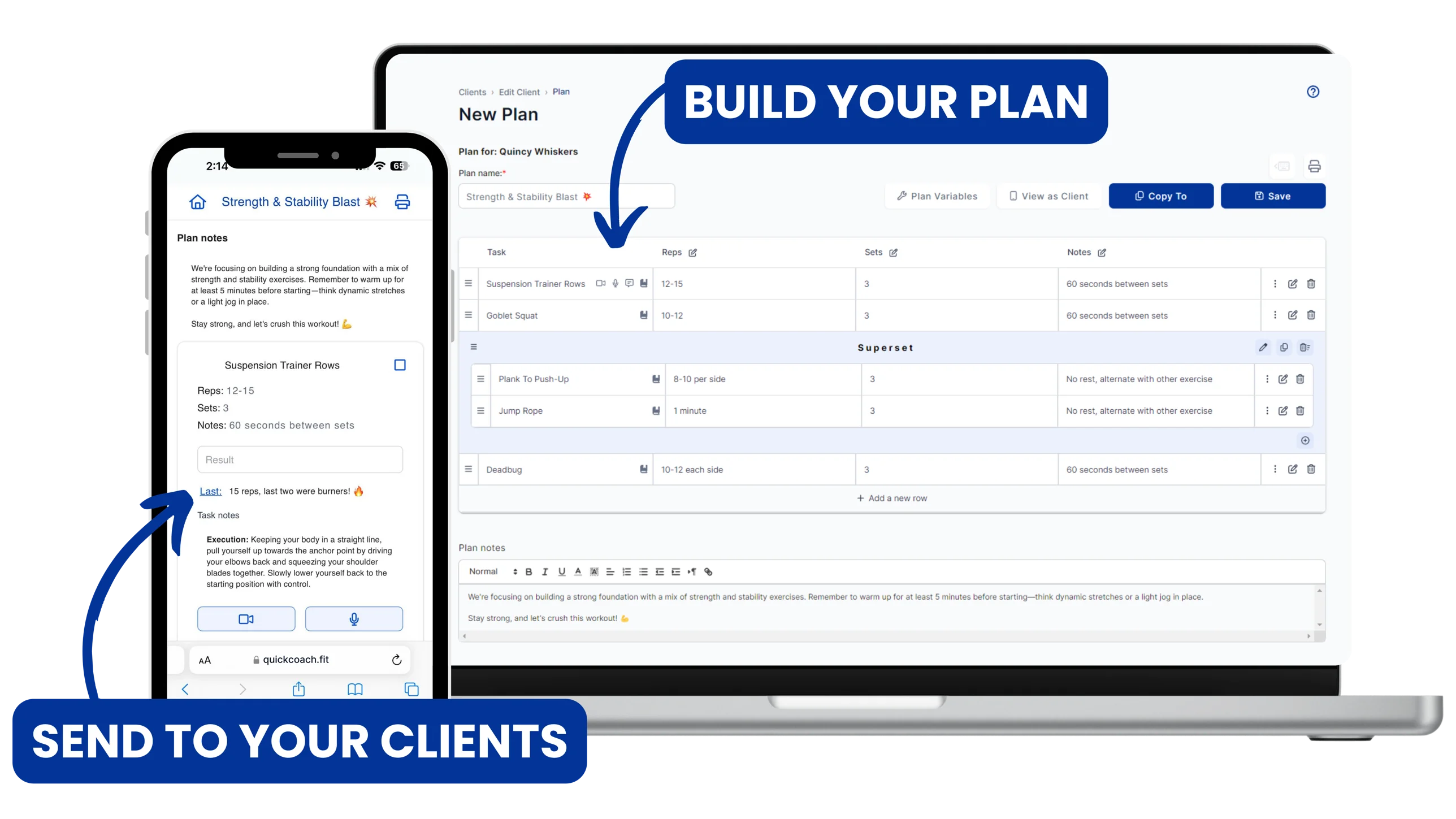
Most functional coaches use a coaching app to programme sessions, push workouts to a client phone, collect results and video, and run weekly check-ins. QuickCoach is built for this workflow and supports up to 20 clients on the free plan, with a flat $39/month Pro tier for unlimited clients.
If you are comparing platforms, our 2026 software buying guide walks through the decision factors and the questions that surface the right fit.
What credential should a functional coach hold?
A credible functional coach holds a recognised strength and conditioning or personal training certification. The NSCA's Certified Strength and Conditioning Specialist is the gold standard for coaching athletes. ACSM's Certified Exercise Physiologist covers broader exercise science. Choose a credential mapped to the clients you coach and the scope you want to work in.
Compare the two paths in our NSCA and ACSM references before you pick.
How does programming differ for a beginner versus a competitive functional athlete?
Beginners need movement quality, consistent intensity, and short sessions that build a base. Competitive athletes need periodised blocks with strength, metcons, skill, and recovery structured toward competitions, plus testing and peak weeks. The beginner trains to learn. The competitor trains to peak. Same principles, very different scale and intent.
Should a functional coach assign nutrition, or stay hands-off?
Within scope, a functional coach can support nutrition behaviour: protein targets, meal timing, hydration, and basic food logging. Full meal plans and clinical diets sit outside standard coaching scope and belong to a dietitian. Most coaches assign habits, not prescriptions, and track adherence through weekly check-ins.
See how online coaches assign habits for the habit-first approach that stays inside scope.
How do functional coaches programme strength work alongside metcons?
Run strength first in a session when the nervous system is fresh, then finish with a short metcon. Across a week, keep two strength-focused sessions and two metcon-focused sessions. Concurrent training works when strength volume stays moderate and metcon intent stays clear rather than all-out every time.
The detail is in our concurrent training reference, which covers how to sequence strength and conditioning without one blunting the other.
How do functional coaches scale movements for mixed ability levels?
Scale load first, then complexity, then range. A newer athlete does the same movement pattern at a lighter load or a simpler variant, with the same rep target and intent. Keep the stimulus close: a hinge is a hinge, a press is a press, scaled to the individual.
How often should a functional fitness client train each week?
Three to five sessions a week works for most clients. Three keeps progress steady with room for other life demands. Five fits a committed client with recovery to support it. Two is maintenance. Six plus only suits a competitor in a build phase. Volume follows recovery, not the other way around.
How do functional coaches use time domains and intervals in conditioning?
Time domains frame intent. A two to four minute window trains power and pacing. Five to fifteen trains sustained output. Twenty plus trains endurance. Coaches match the metcon length to the energy system they want to develop, then pick movements the client can sustain for that window without breaking form.
What equipment does a functional coach need to programme effectively?
A barbell, plates, squat rack, pull-up bar, kettlebells, dumbbells, a jump rope, and a wall clock cover most programming. Add a set of rings and a pair of parallettes for skill work. Bodyweight only is workable for remote clients with no gear. Programme to what the client has, not to an ideal kit list.
How do functional coaches measure progress without max lifts?
Benchmark workouts, repeat metcons, and tracked lift triples give signal without a true one-rep max. Log finish times, rep totals at a fixed load, and RPE on key sets. Progress photos and girth measurements track body composition. A monthly repeat of the same workout shows the trend clearer than any single test.
How do functional coaches periodise a competitive season?
Split the year into a base phase for volume and movement quality, a build phase for strength and metcon density, a competition phase for peaking, and an off-season for recovery and skill. Test at set points. Deload every fourth to sixth week. Keep the competitive phase short so peak intensity stays sharp.
How can a coach write a functional fitness session plan faster?
Use a template: strength block first, metcon second, mobility finisher. Pull movements from a saved library, set the rep target and load, add notes for scaling. A coaching app with reusable program blocks lets you assemble a session in minutes and push it to the client the same day.
For the full workflow, see our guide to writing client workout programs faster.
What scope of practice should a functional coach respect?
Coach movement, programming, and general fitness behaviour. Do not diagnose injury, prescribe clinical diets, or treat medical conditions. Refer pain, pathology, and clinical needs to a physiotherapist, doctor, or dietitian. Stay inside your certification's scope. Document the boundary in writing so clients know when to see another professional.
The full boundary set is in our scope of practice reference.
How do functional coaches handle group sessions with mixed ability levels?
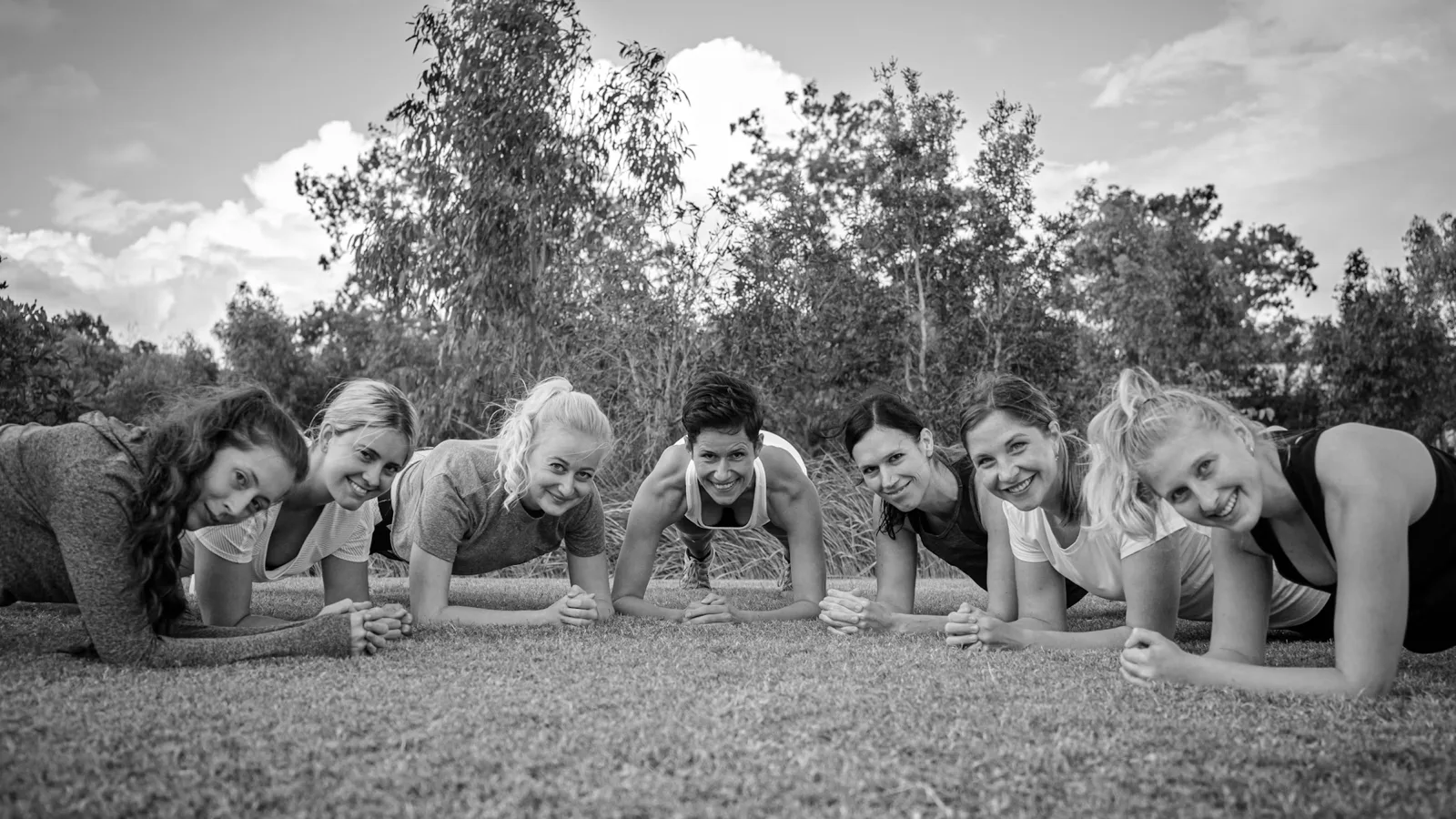
Write one session and scale it. Give a prescribed version, an intermediate, and a beginner option for each movement. Set a time domain rather than a fixed rep count where possible, so every athlete works the same window. Brief scaling before the clock starts and coach intent, not the leaderboard.
These answers reflect how working functional coaches programme and deliver sessions on QuickCoach, where more than 40,000 coaches build training for their clients. The coaching-methods references linked above cover the detail behind each answer. To run the same workflow for your own clients, start free at quickcoach.fit and programme for up to 20 clients with no time limit.