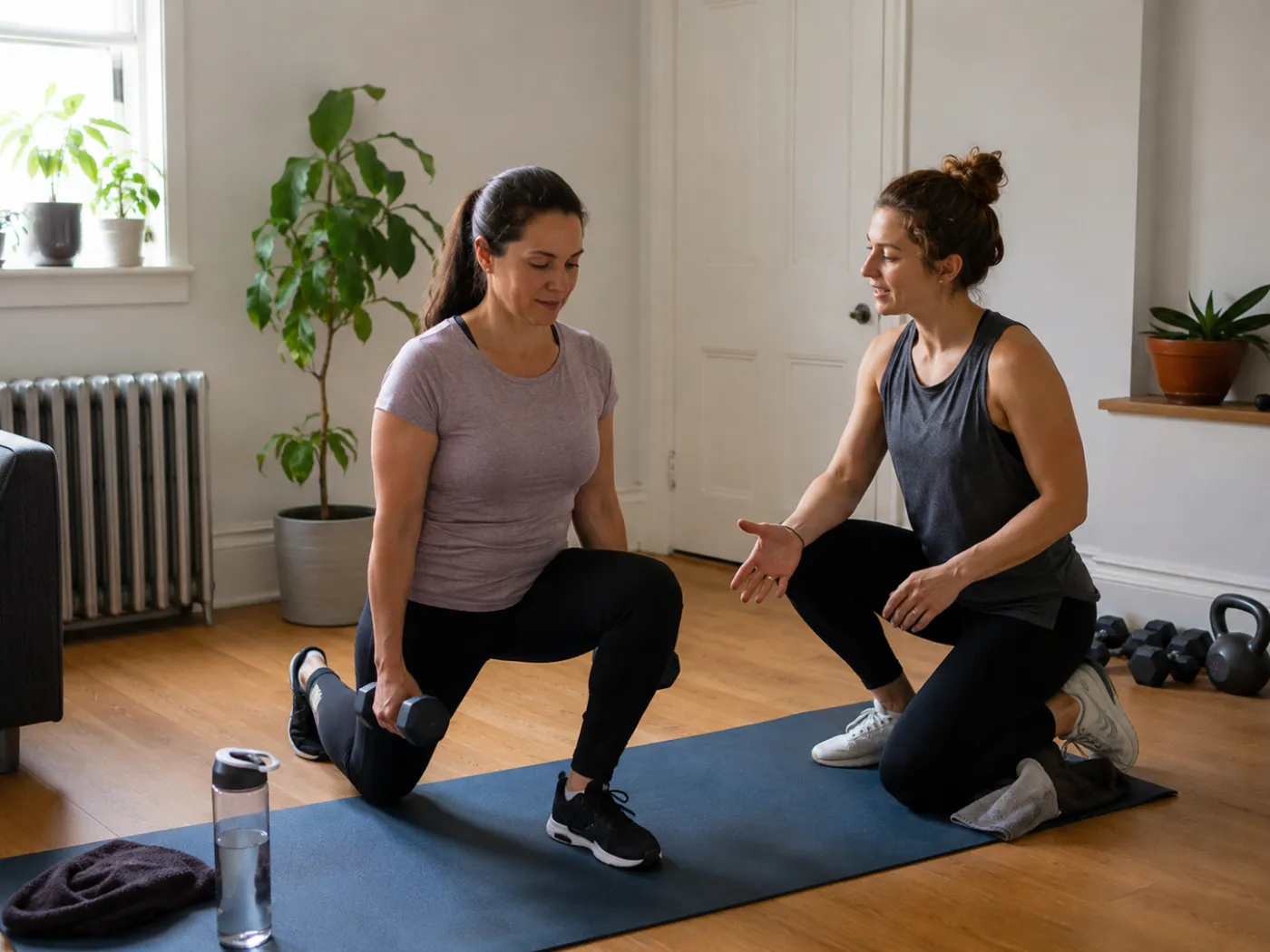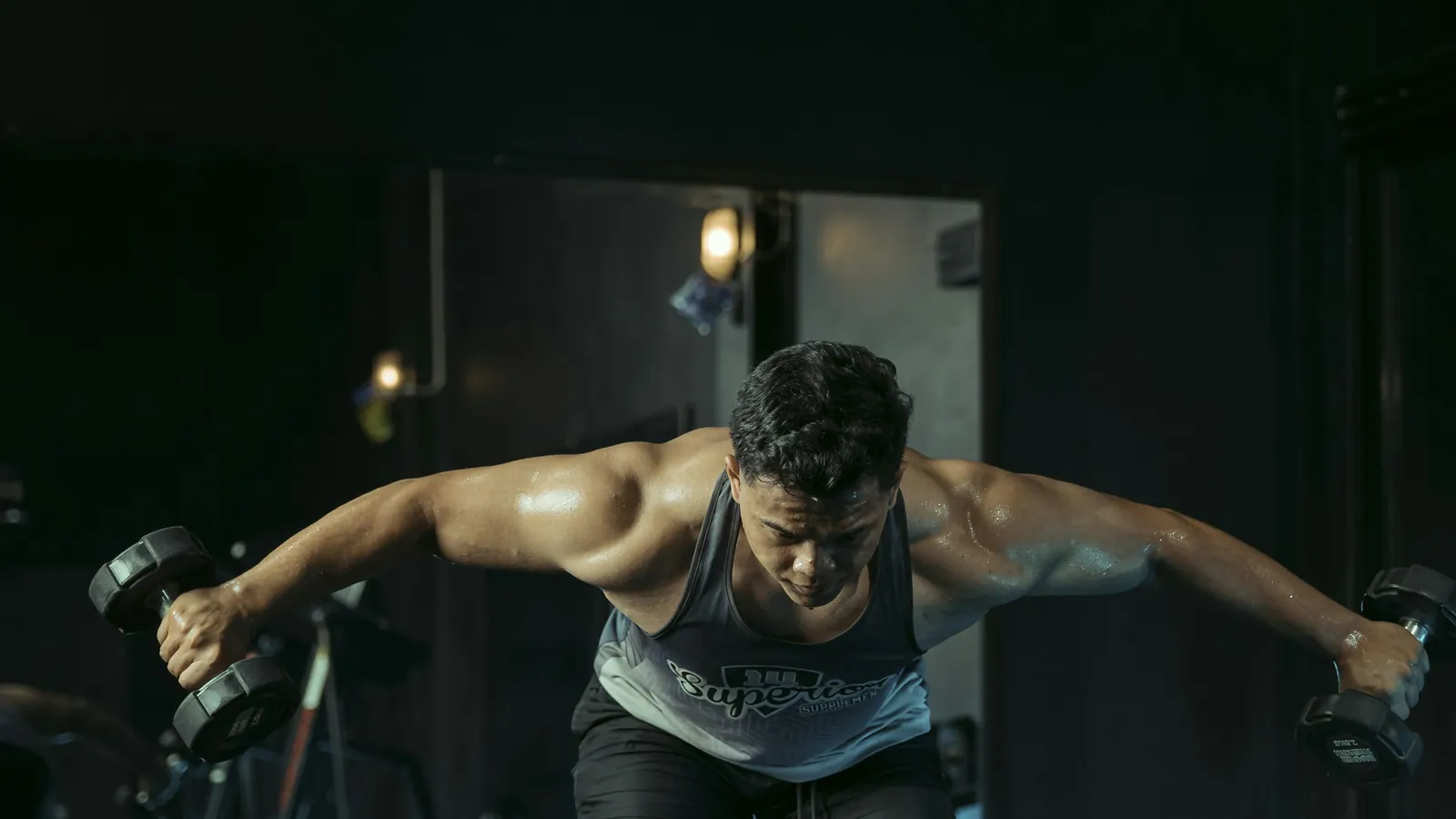
Isolation exercises, the single-joint moves like lateral raises, curls and leg extensions, get dismissed as "accessories". In real programs they're anything but minor. When we read what coaches assigned on QuickCoach in October 2026, the lateral raise was the fifth most-programmed movement of any kind, reaching more clients than the squat.
This report ranks the isolation work coaches program for shoulders, arms and legs, shows how it moved from September, and covers how to fit it into a program without crowding out the main lifts.
The short answer
The lateral raise reached 27.2% of clients in October 2026, fifth among all 4,721 movements and ahead of the squat at 21.2%. Other leading isolation exercises are the leg extension (24.6%), leg curl (19.2%), face pull (19.0%), calf raise (18.5%), bicep curl (17.0%) and triceps pushdown (13.9%).
What this is, in one paragraph
Coaches type exercise names as free text. Every month we group every spelling of the same movement together and count the share of clients assigned each one, the method behind our living what coaches program page. For this report we read the single-joint accessory exercises from 232,596 verified assigned exercises in October 2026, with the September figures we published for the same movements. The full method is at the foot of the page.
How popular is the lateral raise?
It's the most-programmed isolation exercise and one of the most-programmed movements of any kind. Only the row, lat pulldown, Romanian deadlift and bench press reached more clients in October. The lateral raise gained a point from September, rising from 26.2% to 27.2%, and held fifth place ahead of the hip thrust.
Coaches also wrote it 244 different ways in September 2026, the last month with a full spellings export, from "DB Lateral Raise" to "Cable Lateral Raise", "Dumbbell Chest Supported Lateral Raise" and "Lateral Raise - Leaning - One Arm - Dumbbell". That variety is coaches choosing the version that suits the client and the kit, which is a sign of how deliberately the exercise is used.
What isolation exercises do coaches program most?
| Exercise | Oct 2026 | Sep 2026 |
|---|---|---|
| Shoulders | ||
| Lateral raise | 27.2% | 26.2% |
| Shoulder press | 22.7% | 21.0% |
| Overhead press | 19.7% | 19.4% |
| Face pull | 19.0% | 18.0% |
| Reverse fly | 6.4% | 6.1% |
| Arnold press | 6.2% | 6.0% |
| Rear delt fly | 5.1% | 5.0% |
| Front raise | 5.5% | 4.8% |
| Upright row | 3.5% | 2.6% |
| Y raise | 1.7% | 1.4% |
| Arms | ||
| Bicep curl | 17.0% | 15.7% |
| Triceps pushdown | 13.9% | 13.3% |
| Hammer curl | 11.5% | 10.7% |
| Triceps extension | 10.4% | 10.3% |
| Skull crusher | 6.5% | 6.2% |
| Overhead triceps extension | 6.5% | 6.0% |
| Preacher curl | 3.7% | 3.4% |
| Legs and chest | ||
| Leg extension | 24.6% | 23.6% |
| Calf raise | 18.5% | 19.0% |
| Leg curl | 19.2% | 18.4% |
| Hip abduction | 15.3% | 13.1% |
| Chest fly | 9.7% | 9.5% |
Share of clients assigned the movement at least once in the month. Some arm exercises are split across names ("bicep curl", "biceps curl" and "curl" each reached between 8.6% and 17.0%), and one client can appear under several, so rows can't be added. The shoulder press and overhead press are usually the same movement under two names.
Why the side delts and not the front?
The gap between the lateral raise (27.2%) and the front raise (5.5%) is one of the starkest in the dataset. The likely reason is simple. The front of the shoulder already works hard in every press: the bench press, shoulder press and push-up each reached a fifth of clients or more, and the overhead press 19.7%. The side of the shoulder gets far less from those lifts, so coaches add it directly.
The back of the shoulder gets the same treatment. The face pull reached 19.0% of clients, with the reverse fly (6.4%) and rear delt fly (5.1%) behind it. Coaches are balancing all that pressing with direct upper-back and rear-shoulder work, which also helps the shoulders stay healthy. We look at that side of it in the prehab exercises coaches actually program.
What does the isolation list say about what clients want?
That plenty of them train for how they look as well as what they can lift. Wider shoulders, bigger arms and shaped legs are common goals, and the lateral raise, curls, pushdowns, leg extensions and calf raises are how coaches deliver them. The staples come first, then the isolation work clients enjoy and ask for. If physique is your niche, our guide to software for physique and contest prep coaches covers the delivery side.
Did isolation work change from September to October?
Yes, and almost all of it upward. Of the 22 movements in the table, 21 gained clients in October and only the calf raise slipped, by half a point. Hip abduction rose 2.2 points, the shoulder press 1.7, the bicep curl 1.3, and the lateral raise, face pull and leg extension a point each. Machine isolation work led the climb, fitting October's move towards gym equipment.
September had gone the other way, as we covered in what changed from August to September 2026.
How should I program isolation exercises?
After the main lifts, in small doses, chosen for the client's goal. Most coaches add two or three isolation movements at the end of a session, run them in higher rep ranges than the compounds, and keep the same variation long enough to track progress.
- Main lifts first. Isolation work fills in what the compounds miss. It shouldn't push them out of a session.
- Two or three per session. A lateral raise and a curl or pushdown after an upper-body day, a leg curl and calf raise after a lower-body day.
- Moderate to high reps. Most coaches run isolation work in higher rep ranges than the main lifts. Our report on the rep ranges online coaching runs on shows the prescribed ranges across all exercises.
- Pick a version and stick to it. Cable, dumbbell or machine, keep the same variation long enough to see progress, and keep the name consistent so the log makes sense. Our guide to exercise names explains why that matters.
If your client trains in a commercial gym, the machine versions of these exercises are covered in the gym machines coaches program most.
Methodology and limitations
How we got these numbers
Source. October 2026 programming on QuickCoach, a platform used by more than 40,000 coaches and fitness businesses worldwide: 232,596 verified assigned exercises grouped into 4,721 canonical movements. September figures are from the September 2026 read published on what coaches program and in the September data reports. No individual coach, client or plan is identifiable in anything published here.
Definitions. A movement's figure is the share of clients assigned it at least once in the month, every spelling grouped together. Some names that usually mean the same movement are kept apart in the grouping, and one client can appear under several, so figures across rows can't be added. "Isolation" is our editorial grouping of single-joint accessory exercises. Spelling counts are distinct names for the movement in the month.
Limits. We can't see sets, reps or load here, only whether a movement was assigned, and we can't see why a coach chose it. Figures are rounded.
Frequently asked questions
Is the lateral raise a common exercise in coaching programs?
Very. In October 2026 the lateral raise reached 27.2% of clients on QuickCoach, the fifth most-programmed movement of any kind and ahead of the squat (21.2%). It has sat ahead of the hip thrust since September.
Why do coaches program lateral raises more than front raises?
Pressing already trains the front of the shoulder hard, and the side of the shoulder gets far less from compound lifts. In October 2026 the lateral raise reached 27.2% of clients and the front raise 5.5%. That gap reflects common coaching practice rather than a rule.
What isolation exercises do coaches program most?
The lateral raise (27.2% of clients), leg extension (24.6%), leg curl (19.2%), face pull (19.0%), calf raise (18.5%), bicep curl (17.0%) and triceps pushdown (13.9%), based on October 2026 QuickCoach data.
How many isolation exercises should a client do per session?
Two or three for most general clients, after the main lifts. Pick the ones that serve the client's goal and stay consistent so progress is visible. This is general coaching guidance, not a QuickCoach data figure.
What rep range suits lateral raises?
Most coaches use moderate to high reps for lateral raises, around 10 to 20, because heavy loads tend to shift the work to the traps and lower back. This is general coaching guidance; our rep ranges report covers prescribed ranges across all exercises.
Published from October 2026 programming data. The full monthly ranking lives on what coaches program. Questions about the data? Reach us at support@quickcoach.fit.