What does a physique prep coach actually do, and how is it different from normal online coaching?
A physique prep coach guides a client through a planned fat loss phase to a specific date, usually a bodybuilding show or photoshoot. Beyond writing training, they manage energy balance, monitor rate of loss, adjust macros weekly, and coordinate the final weeks of peaking.
The job is part nutritionist, part programmer, part project manager working backwards from stage day. General online coaching rarely runs to a hard external deadline, and that deadline is what makes prep a different discipline.
How long does a physique prep usually last before a show or photoshoot?
Most physique preps run 12 to 20 weeks for a first-time competitor, and 8 to 14 weeks for an experienced athlete coming in leaner. Coaches set the length from the client's current body fat, target stage condition, and how aggressively they can diet without losing muscle.
Rushing a prep in under 10 weeks usually means starting too lean or sacrificing fullness on stage. Most coaches would rather add two weeks than cut them.
How do physique coaches set calories and macros for a cut?
Most coaches start from bodyweight in pounds multiplied by 12 to 14 for training calories, then set protein at roughly 1 gram per pound of lean mass, fats at 20 to 30 percent of calories, and the remainder as carbohydrate. They adjust from there using rate-of-loss data.
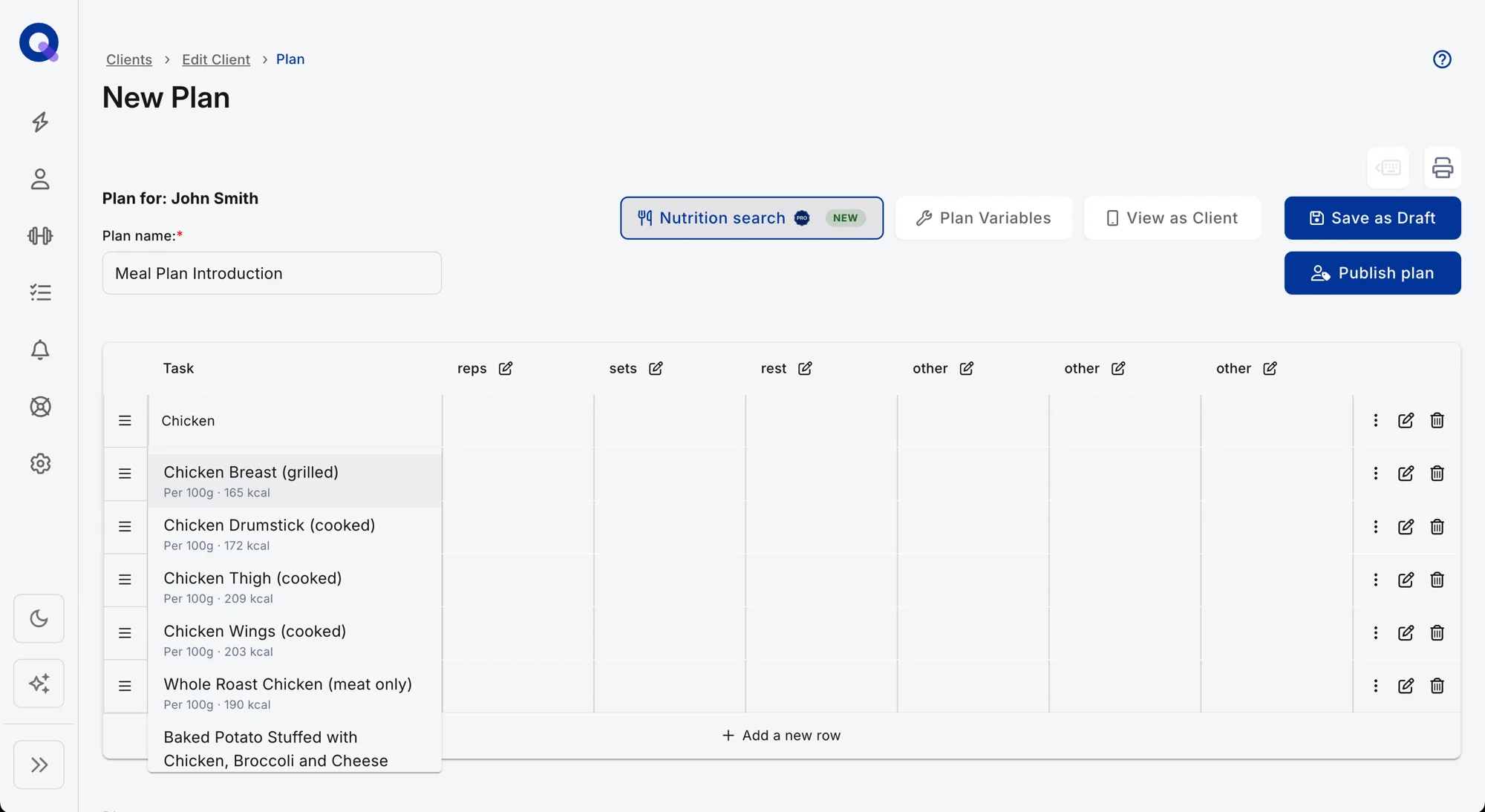
For the tooling side of this, our nutrition coaching software guide covers what coaches actually need to track macros client-side without doubling their admin load.
What is peak week, and what does a prep coach actually manipulate during it?
Peak week is the final five to seven days before stage, where a coach fine-tunes carbohydrate, water and sodium to fill out the muscle and sharpen the look the judges see. The aim is to arrive full, dry and held, not to lose more fat.
The mechanics and the common mistakes are covered in our peak week deep dive. The short version is that most of what gets manipulated should not be, and most of what works is boring.
For the sequence itself, the order the levers move in and how the final seven days are structured, see the day-by-day peak week protocol. For the rehearsal that has to happen first, the practice run two to four weeks out that tells a coach how this client responds, see how to run a mock peak week.
Is reverse dieting necessary after a physique prep?
Reverse dieting is not strictly necessary, but a structured refeed and gradual calorie reintroduction helps a client avoid rapid rebound regain and stabilises hunger, hormones and gym performance after a long deficit. Most coaches add calories back over four to eight weeks rather than returning straight to maintenance.
See reverse diet for the protocol most coaches use and the rate of calorie addition that actually works in practice.
How do physique prep coaches run daily or weekly check-ins?
Most prep coaches run a weekly check-in on a fixed day covering morning weight, progress photos, a subjective energy and hunger score, and adherence to macros and training. Some add a midweek pulse check by message to catch drift early rather than waiting for the full week.
Our online check-in workflow and the questions that actually matter cover the practical setup, including which fields to drop when a client is deep into prep and short on patience. For the prep-specific rhythm, the photo and weight protocol, the trend reading and the stall conversation, see our guide to physique prep weekly check-ins.
Where does a physique coach's scope of practice end?
A physique coach can programme training, prescribe nutrition for body composition, and advise on lifestyle factors like sleep and stress. They cannot diagnose medical conditions, prescribe or deprescribe medication, treat eating disorders, or give clinical advice for thyroid, hormonal or metabolic disease. Those sit with a doctor or registered dietitian.
The line is spelled out in our scope of practice guide, including the grey areas around supplements and hormones that prep coaches get asked about constantly.
How do physique coaches handle water and sodium manipulation safely?
Water and sodium cuts can be dangerous and are the most common reason a competitor ends up in the medical tent rather than the lineup. Competent coaches cut sodium for no more than 24 to 48 hours, keep water intake reasonable, and never combine dehydration with potassium restriction.
If a client feels faint, cramps severely or stops sweating, the answer is to stop the protocol and rehydrate, not push through. No stage placing is worth a hospital admission.
What rep ranges and training methods do physique coaches programme?
Physique coaches typically keep the majority of working sets in the 6 to 12 rep range for hypertrophy, with some heavier 4 to 6 work for compound lifts and 12 to 20 work for isolation and smaller muscle groups. Most lean on block periodisation to manage fatigue across a long prep.
See our rep ranges and block periodisation guides for the programming detail and how training shifts across a 16 week prep.
What software do physique prep coaches use to manage clients?
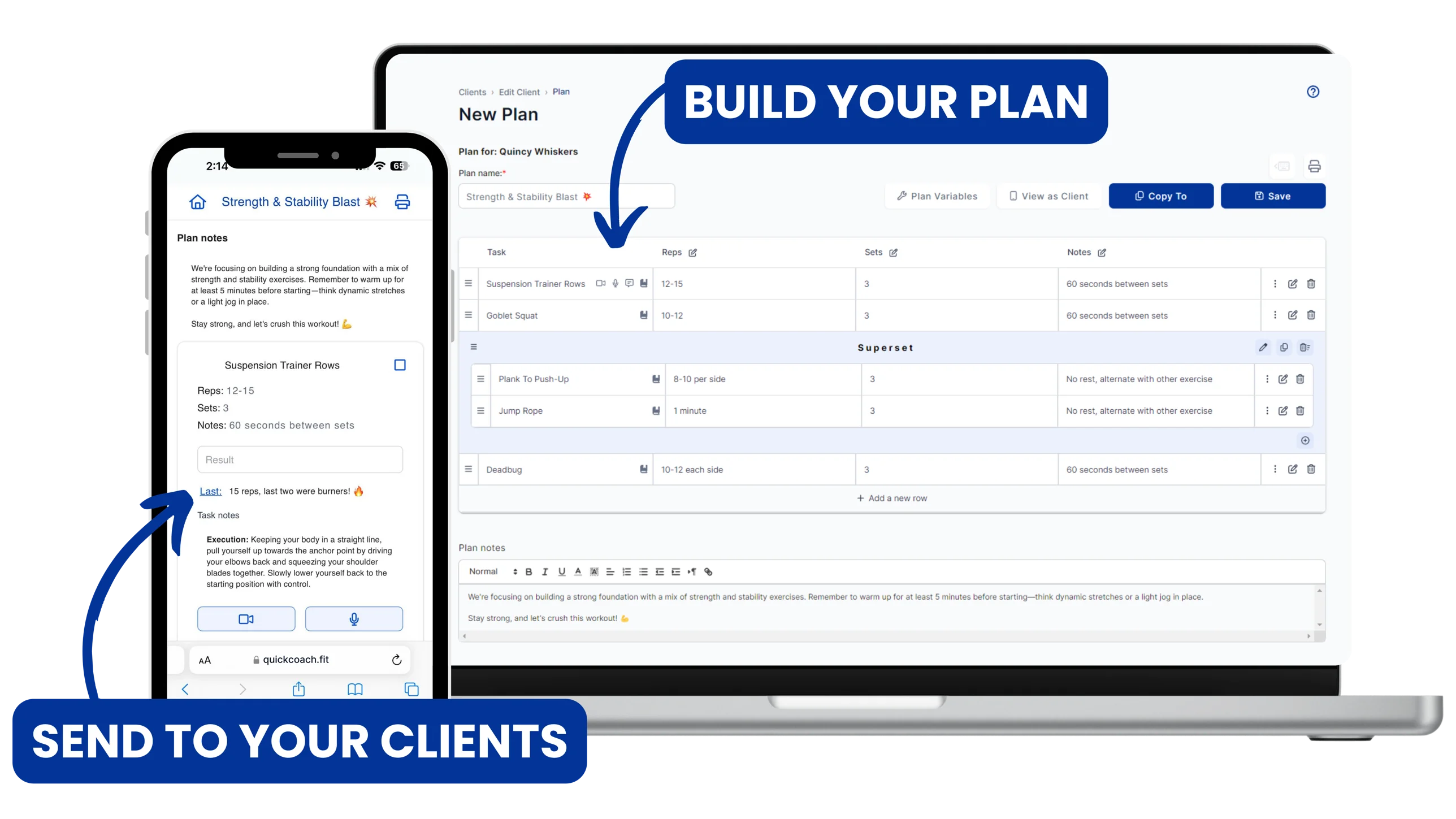
Most physique coaches use a combination of a coaching platform for programme delivery and check-ins, a spreadsheet for weekly weight and macro tracking, and a separate app for progress photos. Platforms like QuickCoach combine programme delivery, check-in questions, habit tracking and macro logging in one place.
Our guide to choosing coaching software in 2026 walks through what to look for, including the features that matter specifically for prep rather than general online coaching.
How do physique coaches keep clients adherent through a long deficit?
Adherence in a long deficit comes from clear weekly targets, predictable refeed days, honest check-ins without shame, and small habit wins that keep the client feeling in control. Coaches who frame prep as a series of weekly decisions rather than one long grind keep clients on track.
Our habit stacking guide and the data on whether online coaches assign habits cover the practical side of building small behaviours into a prep without adding client load.
What credential should a physique coach hold before taking on competitors?
There is no single required licence for physique coaching, but a reputable strength and conditioning certification plus a nutrition credential is the common baseline. CSCS through the NSCA is the most respected strength credential, and Precision Nutrition Level 1 or 2 is the most common nutrition standard.
See our NSCA and Precision Nutrition breakdowns for what each actually covers and where each falls short for prep work specifically.
How often should a physique prep client take progress photos?
Most coaches ask for progress photos weekly, taken first thing in the morning, fasted, in the same lighting and pose, against the same background. Daily photos add noise from water shifts and glycogen changes and rarely change the weekly decision, so they are reserved for peak week.
Consistency beats quality here. A phone photo in the same bathroom mirror every week tells the real story.
What body fat ranges do physique coaches target for stage condition?
For men, stage condition usually sits around 4 to 6 percent body fat, and for women around 10 to 14 percent depending on the division. Coaches track the trend rather than chase a single DEXA number, because hydration and glycogen shift the reading by 1 to 3 percent day to day.
The mirror and how the client holds condition matter more than any single measurement, which is why photo and weigh-in trend are read together.
How do physique coaches adjust macros when weight loss stalls mid-prep?
When weight stalls for two consecutive weeks, most coaches cut 100 to 200 calories from carbs or fat first, add a small amount of low intensity cardio, or both. They rarely cut protein. A single flat week is not a stall and does not warrant a change.
The classic mistake is reacting to one weigh-in and destroying the client's energy for no reason. Two weeks of data before a move is the standard.
Should a physique prep client do cardio, and if so how much?
Cardio is a tool for creating deficit, not a requirement of prep. Most coaches start with 2 to 3 sessions of 20 to 30 minutes of low intensity work per week and only add more as fat loss slows. Step count is tracked alongside it to keep non-exercise activity honest.
High intensity conditioning has a cost in recovery that most prep clients cannot afford once calories are low.
How do physique coaches manage hunger and energy through a long prep?
Hunger is managed by keeping protein high, prioritising volume from vegetables and lean protein, spacing protein across four to five meals, and using refeed days strategically. Energy is managed by not cutting calories faster than the rate of loss demands and by keeping some carbohydrate around training.
Sleep and stress management matter more than most clients expect once calories get low, and they are usually the first thing to unravel.
What happens if a client misses their peak week targets?
If a client is not lean enough by peak week, no manipulation of water or sodium will fix it. The honest options are to compete in a softer condition, move to a later show, or treat the day as a learning experience. Peak week cannot undo a prep that was not finished.
This is the conversation to have three weeks out, not the morning of the show.
How do physique coaches handle the final week training deload?
Most coaches drop training volume by 40 to 60 percent in the final week while keeping intensity moderate, with the last hard session 4 to 5 days before stage. The goal is to shed fatigue without losing the look, so reps stay in the hypertrophy range and rest periods lengthen.
Overtraining in the final week is more common than undertraining and ruins more stage looks than it saves.
What red flags signal that a physique prep is going off track?
Rapid strength loss, sleep falling apart, libido gone, mood flat or anxious, and weight dropping faster than the planned rate of loss are the main red flags. Any one in isolation may be a bad week; two or more together mean the deficit is too aggressive and needs easing.
This is where a good coach pulls back rather than pushes through. Coaches who treat these signals as a willpower problem lose clients and occasionally cause harm.
Questions about running the day to day of a coaching practice, not just the prep itself, sit on the QuickCoach blog. For the software side, our breakdown of free vs paid coaching software is a good next read. Want the tooling for your own prep clients? Start free at quickcoach.fit.