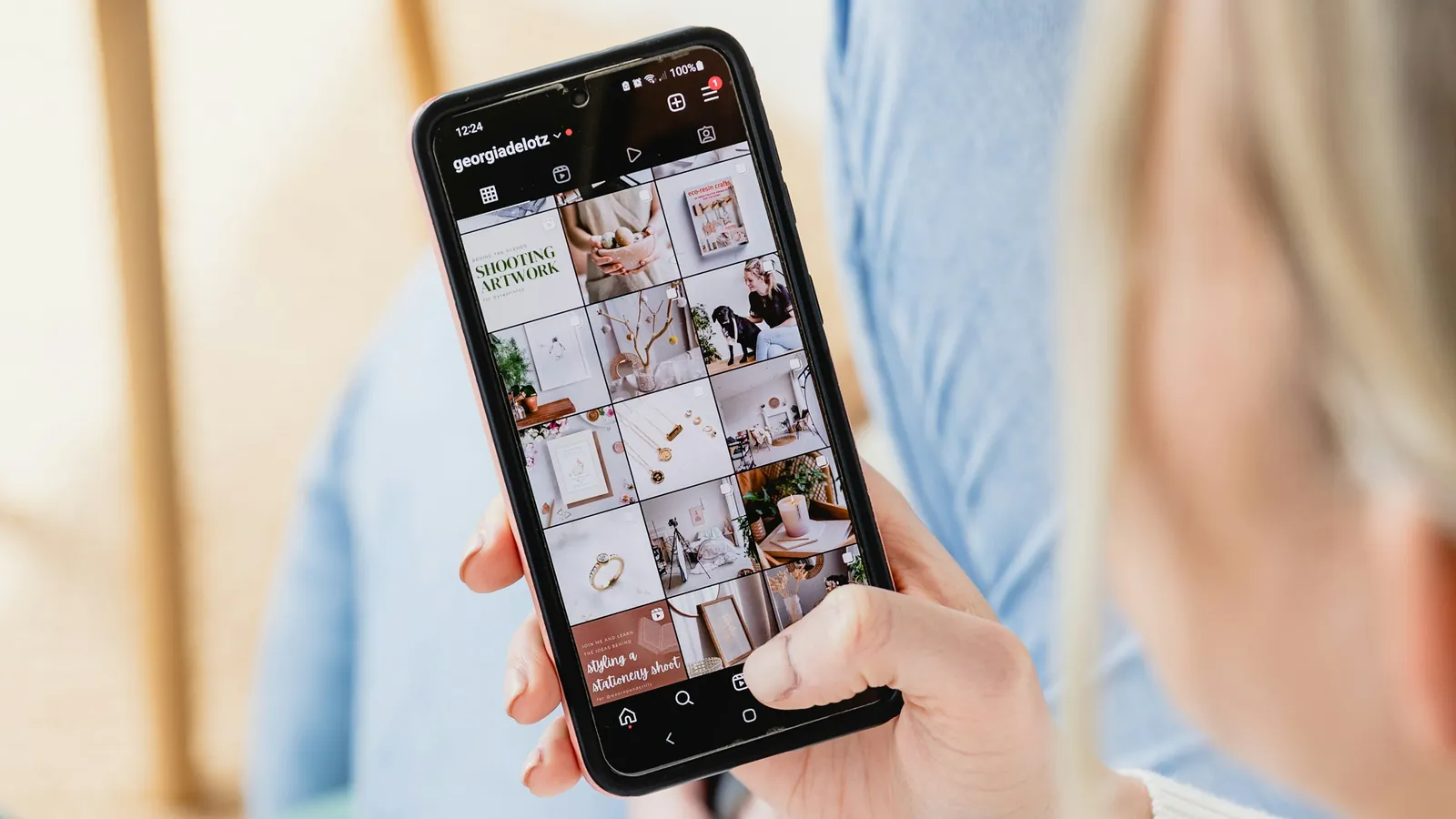
Open Instagram and you will find coaches who look like a brand. The grid is consistent and the bio is tight. The stories are on message. Then a follower signs up for coaching and opens the app, and the app looks like it belongs to someone else. The name is different and the colours are wrong. The voice is gone. The follower who just became a client is not sure they are in the right place.
This page is about the bridge between those two surfaces. It is a guide to social media branding for fitness coaches who have a social presence and no product identity, and it argues for one rule applied everywhere: the identity you present online should be the identity the product carries. A follower who becomes a client should recognise the product before they open it.
Quick answer
Connect your social media identity to your branded products by running one brand everywhere: the same name, colours and voice on Instagram and on the app clients install. The branded client app is the bridge, the free tier is the pilot for your first clients, and followers become clients who recognise you.
The two-brand problem (social you, product you)
The two-brand problem is the gap between the person a coach presents online and the product a client actually uses. The social you is polished, consistent, on message. The product you is whatever the software shipped with: a generic app, a generic email, a generic plan. The follower who signs up crosses a gap, and the gap is where trust leaks.
Followers are not clients. That is the honest position, and it is worth stating as plainly as it can be stated. A follower has seen your content. A client has experienced your coaching. The two are different relationships, and the mistake is treating the first as a smaller version of the second.
A follower who becomes a client is a conversion, not a continuation. The conversion happens at the moment the product has to look like the person, and that moment is where most coaches lose the trust they spent months building. The rest of this page is about making that moment land.
Here is the problem in a concrete form. A coach posts three times a week, builds a following of a few thousand, and every post ends with the same line about coaching online. Then the first follower signs up, opens the app, and finds a generic surface with a vendor's name on it. The coach spent a year building recognition and the product undid it in one screen. That is the two-brand problem, and it is avoidable.
The one-brand rule: same name, colours, voice
The one-brand rule is the fix. Run the same name, the same colours and the same voice on every surface a client touches, starting with the two that matter most: the social profile where people find you, and the app where they train. When those two agree, a follower who becomes a client recognises the product before they open it.
Name first. The name on your Instagram should be the name on the app, spelled the same way. If a follower searches the name they have been reading for a year, the app should be the first thing that looks right.
Colours second. The colours in your grid should be the colours in the app, not a close match, the same ones. Colour is the fastest recognition signal a human has, and it works without a word being read. A client who opens an app in the colours they have been scrolling for months has already decided the service is real.
Voice third. The way you write captions should be the way the app speaks, because a client who reads your check-in prompts should hear you. The voice is the hardest of the three to copy, and it is the one that makes the brand feel personal rather than produced.
None of this requires a designer. The one-brand rule is a consistency rule, not a design project, and it is the same rule the touchpoint ladder runs on. The ladder is the framework behind the whole branding cluster, and it is explained in our guide to personal branding for fitness coaches. The components the rule runs on, the name, the colours, the type and the voice, are the inventory in our guide to the fitness coach brand kit.
The app as the bridge between follower and client
The bridge between follower and client is the branded client app. A follower who signs up and opens an app with your name, your colours and your voice on it has arrived somewhere specific. A follower who opens a generic app has arrived somewhere generic, and the trust built over months of content has to survive the landing.
The branded client app is part of QuickCoach Pro at $39 a month, or $32.50 a month effective on annual billing, with unlimited clients. It puts your logo, your colours and your business name on the app your clients install, so the surface they open daily carries your brand instead of ours. The setup is covered in our guide to creating a custom branded coaching app, and it takes minutes rather than weeks.
The free tier is the honest pilot for the first clients. It holds up to 20 clients with no time limit, and it lets you run the workflow before you pay for the branding layer. The order that works: build the coaching on the free tier, prove it with the first clients, then turn on the branded app when the roster is ready for it. The branded app is the reason to move to Pro, and the free tier is the way to test everything else first.
Think about what the bridge does to the follower's first week. They sign up, they install the app, and the app has their coach's name on it. The check-in prompt reads like the captions they have been following. The plan looks like the content they saved. Nothing has to be explained, because the product already matches the person. That is the bridge working, and it is the difference between a client who arrived and a client who is still looking for the right place.
What to show on social (and what not to)
This is not a social media strategy article, and it will not tell you how often to post or which algorithm to chase. The question here is narrower: what should a coach show so the social identity and the product identity agree?
Show the work. The sessions, the check-ins, the progress, the app itself. A follower who sees the actual product, the app with your name on it, the plan you wrote, the check-in you answered, is a follower who will recognise the product when they sign up. The content and the product should look like they came from the same person, because they did.
The single most useful thing to show is the app. A screenshot of the branded client app, a client's check-in, a program screen with your name on it. That one image does more for the identity bridge than a month of motivational quotes, because it shows the product the follower will actually get. It is the content that matches the handoff.
What not to show is the polished version of coaching that does not exist in the product. A grid full of studio lighting and a generic client app is the two-brand problem photographed. If the product does not look like the content, the content is advertising for something the client will not find, and the client finds that out at the worst possible moment, right after they have paid.
The handoff: from follower to client to brand advocate
The handoff is the moment a follower becomes a client, and it is where the one-brand rule pays for itself. The follower who recognises the product before they open it has already decided the service is real. The client who recognises the brand in the app, the email and the plan is a client who stays.
The final step is the one most coaches miss. A client who experiences the brand daily becomes a brand advocate, and the advocate is worth more than the follower. The client who posts a screenshot of the app, who tells a friend the app is theirs, who wears the singlet, is doing the discovery work that social media used to do.
The full playbook for turning followers into paying clients, from the first warm conversation to the first ten signups, is in our guide to getting your first online coaching clients. The short version: the brand you build online has to survive contact with the client experience, and the client experience is the app, the email and the plan.
There is a retention angle here too. A client who recognises the brand is a client who stays, and a client who stays long enough to see progress is a client who refers. The advocate loop closes when the client who was once a follower brings in the next follower, and the one-brand rule is what makes that loop possible. The identity bridge does not end at the first signup. It keeps working for as long as the client keeps training.
Frequently Asked Questions
Do I need the same handle everywhere?
Not identical everywhere, but the same name and colours so a follower recognises the product. Handles get taken, and platforms abbreviate differently. What matters is that the name is recognisably the same and the colours match, so a follower who lands on the app knows they are in the right place.
What if my social is my name and my business is a brand?
The one-brand rule still applies. Pick the name that clients will search for and use it on both. If clients search for your name, your name goes on the app. If they search for the business, the business name goes on the Instagram. The rule is one name, not a particular name, and the name clients search for is the one to use.
How do I get followers into the app?
The app is the bridge, and the free tier is the pilot. Point followers at the free tier first, let them experience the coaching, and the branded app is Pro. A follower who has trained on the free tier for a month is a follower who already knows the product, and the upgrade to the branded app is a natural step rather than a leap.
Published September 2026. The one-brand rule is the bridge between the social identity and the product, and it sits inside the wider branding cluster in the coaching guides library. If you are connecting the two surfaces today, the practical first step is the free tier: it holds 20 clients with no time limit, and the 14-day Pro trial is the honest way to test the branded app before you commit.